In a forest, on a high hill, there lived a bearded hermit. His home lay to the northwest of a small town. Children hiked from the valley town to visit him up on the hill. He tried to discourage their intrusions on his solitude. Their parents, however, continued to let the children roam.
The parents and the children regarded the hermit as a tolerant man. This was the case. He endured the noise and the naive questions of his visitors. He took them to the garden and encouraged them to work as they chattered about the details of their lives. The hard labor discouraged a few. He spoke to the rest about matters of spirituality. That drove away more.
A handful of visitors remained as regular callers to his home, however. One of them who returned many times was a young girl, dark-haired and small. The hermit watched her grow, over the years, into a young woman.
"When there's no other person here," she asked one day. "Do you remain quiet?"
He nodded as he tended his garden beside her.
"I think I would like to be a hermit," she said.
She didn't say anything more for hours. Instead, she worked in silence. After she straightened and took a break, she hiked farther up the hill. She seemed to be looking for sites to build her own hut. Although he liked her, he felt some alarm. He did not want her to live so close. Fortunately, she found a vantage point and surveyed different hills. She seemed to settle on one above the northeast of town. A home there would have fewer trees for shelter but it would have access to a stream. The solitude would perhaps be better because the slopes by the stream there looked steeper.
He approved. Although he did not say a word, she caught him studying the site. Her eyes glinted. She smiled as she walked back to his home.
"So would you really recommend a solitary life for me?" she asked him when she arrived.
"For anyone who wants to be alone in their contemplation of holy existence, I do recommend it," he replied.
Her decision seemed so resolute that he expected that he would not see her again. However, a few days later, she returned. In her company was a woman the hermit had never seen before.
"I am her mother," the woman said. She fluttered her robe to wave off the heat of the steep walk. Without smiling, she bowed her head politely.
The hermit bowed his head as well.
"You recommended a solitary life for her?" the mother asked.
"She may find it good."
"She may. It's not that women don't also wish to be hermits, alone in the wilderness. Clearly, you live a beautiful life." The woman expanded her arms as if to encompass not only his hut and garden but the entire wilderness.
"Then what is the problem?"
"The problem is that men cannot seem to permit women to be alone."
"I would. Many men would, I think. Most."
"Many would gladly allow women that freedom, of course, but it only takes a few to make the practice impossible. It is not the point of being a hermit to occupy oneself constantly with self-defense."
"I had not thought of that." The vision disturbed him. A young lady's hermitage would often be under threat. But it did not surprise him except in that it hadn't occurred to him before. "You are correct. I'm protected by being a man and by having nothing to steal. Otherwise I would come to harm."
"Women on their own must take pains to appear diseased or crazy. My daughter would have a difficult time with either." Her glance slipped to the young lady by her side, calm, self-assured, and glowing with health.
"She would."
"A nunnery, perhaps, or a quiet life with a quiet family on the edge of town would work. But can you see that being a hermit is not an option?"
"It would be needlessly difficult." It saddened him to agree.
"I'm surprised to hear you admit it. I thought you must be telling all of the children that the life of a hermit is best."
"This way of living is best for me." He took a deep breath of the mountain air. "Thank you for enlightening me. This is why each path must be different. When I took a vow of poverty, I had not expected to ever see myself again in a position of privilege. But I have been living with this particular privilege the whole time."

Stories on life, death, enlightenment, zen buddhism, religion, philosophy, stoicism, meditation, daoism, kindness but not meekness, and samsara.
Sunday, July 26, 2015

Sunday, July 19, 2015
Not Zen 167: Always-Land
His daughter leaned forward in her chair. She closed her book. Her finger remained in place so she could open it again in an instant.
"Daddy." She turned her head towards him. Although the whole family had packed into the living room to read after breakfast, he was the closest to her. "What do the people in Neverland call this place?"
The question made him sift though his childhood memories. He'd read the same book. He should have known what the children there called the real world.
"Home, I think." It was a right answer but he was pretty sure his daughter was looking for more.
"What about the grown-ups? That's who I mean. The ones who live there. Like, it's the mermaids, the warriors, the gnomes and fairies, the pirates, and those kind. Do they have a name for our place?"
He leaned back and stretched his arms. His gaze swept the room. His youngest son had sprawled on the couch with a comic. His wife bent over a magazine by a casement window, shoulders hunched, forearms resting on the sill.
"The Mainland, maybe?" He sighed. His attention turned from his wife to his child. "My memory isn't so good. There are probably other names for our place in the book. I'm sure there would be more that aren't written."
"I know." His daughter stretched out her words as if she'd made the most obvious point to someone not understanding. "I want you to tell me the other names."
"You want the unwritten names?" he chuckled.
His girl didn't laugh with him. She folded her arms and waited for an answer.
"Well, this place is the opposite of Never-Never Land." He closed his book. This time, he gave his daughter a moment of serious thought. "So this should be called Always-Land."
"Okay." She shook her head in agreement. Good. "But Neverland is where you don't have to grow up. That means that here in Always-Land, we're growing. Right?"
"Sure." He hadn't thought about it but of course she was being logical. "That's the point, isn't it? Always-Land is the opposite of daydreams. Here, what's important is our awareness of how things are. In our shared land, we maintain connectedness. We allow ourselves to be conscious of our responsibilities."
"That's too much, daddy."
"Okay, I make too much of awareness and responsibilities, maybe. We build those things up in our minds to be too difficult, too imposing. Maybe that's why, in Always-Land, we make so many gateways to the Neverlands. Fantasy lands don't take up much space. We have room in our lives for escapes."
"Is that good?"
"Fantasies are like everything else." He drew chopping motions in the air with his open hand as he tried to illustrate the point. "Knives are good for cutting up your food. They can be used for bad things, too. If you meet someone who is too preoccupied with knives, like to the exclusion of having friends, you probably think they're sad and creepy."
"Yes, yuck."
"It's the same with the Neverlands we make. Do you let them do something good for you? Are you learning how to be brave or smart or a good friend?"
She turned over her book in both hands and looked at it doubtfully. "I think so."
"Or do you get overly occupied with fantasies? That's where it goes wrong."
She barked with laughter.
"It's not the poor potato's fault I'm fat," she said.
"What?" He shook his head. "You're not fat."
"That's what you said yesterday!" She raised an eyebrow at him as if he didn't listen to himself, which often he didn't.
"Oh, right. I see what you mean. I was complaining that I eat too much." He patted his stomach. "Well, here in Always-Land, we continue to develop. And it happens to us whether we pay attention to it or not."
"Why wouldn't someone pay attention?"
"Good question." He lifted himself from the chair. "I don't know if there's one answer or many. But we should pay the best attention we can. With awareness, we cultivate the goodness in ourselves. We can let everything else just fall away as we grow."
"Daddy." She turned her head towards him. Although the whole family had packed into the living room to read after breakfast, he was the closest to her. "What do the people in Neverland call this place?"
The question made him sift though his childhood memories. He'd read the same book. He should have known what the children there called the real world.
"Home, I think." It was a right answer but he was pretty sure his daughter was looking for more.
"What about the grown-ups? That's who I mean. The ones who live there. Like, it's the mermaids, the warriors, the gnomes and fairies, the pirates, and those kind. Do they have a name for our place?"
He leaned back and stretched his arms. His gaze swept the room. His youngest son had sprawled on the couch with a comic. His wife bent over a magazine by a casement window, shoulders hunched, forearms resting on the sill.
"The Mainland, maybe?" He sighed. His attention turned from his wife to his child. "My memory isn't so good. There are probably other names for our place in the book. I'm sure there would be more that aren't written."
"I know." His daughter stretched out her words as if she'd made the most obvious point to someone not understanding. "I want you to tell me the other names."
"You want the unwritten names?" he chuckled.
His girl didn't laugh with him. She folded her arms and waited for an answer.
"Well, this place is the opposite of Never-Never Land." He closed his book. This time, he gave his daughter a moment of serious thought. "So this should be called Always-Land."
"Okay." She shook her head in agreement. Good. "But Neverland is where you don't have to grow up. That means that here in Always-Land, we're growing. Right?"
"Sure." He hadn't thought about it but of course she was being logical. "That's the point, isn't it? Always-Land is the opposite of daydreams. Here, what's important is our awareness of how things are. In our shared land, we maintain connectedness. We allow ourselves to be conscious of our responsibilities."
"That's too much, daddy."
"Okay, I make too much of awareness and responsibilities, maybe. We build those things up in our minds to be too difficult, too imposing. Maybe that's why, in Always-Land, we make so many gateways to the Neverlands. Fantasy lands don't take up much space. We have room in our lives for escapes."
"Is that good?"
"Fantasies are like everything else." He drew chopping motions in the air with his open hand as he tried to illustrate the point. "Knives are good for cutting up your food. They can be used for bad things, too. If you meet someone who is too preoccupied with knives, like to the exclusion of having friends, you probably think they're sad and creepy."
"Yes, yuck."
"It's the same with the Neverlands we make. Do you let them do something good for you? Are you learning how to be brave or smart or a good friend?"
She turned over her book in both hands and looked at it doubtfully. "I think so."
"Or do you get overly occupied with fantasies? That's where it goes wrong."
She barked with laughter.
"It's not the poor potato's fault I'm fat," she said.
"What?" He shook his head. "You're not fat."
"That's what you said yesterday!" She raised an eyebrow at him as if he didn't listen to himself, which often he didn't.
"Oh, right. I see what you mean. I was complaining that I eat too much." He patted his stomach. "Well, here in Always-Land, we continue to develop. And it happens to us whether we pay attention to it or not."
"Why wouldn't someone pay attention?"
"Good question." He lifted himself from the chair. "I don't know if there's one answer or many. But we should pay the best attention we can. With awareness, we cultivate the goodness in ourselves. We can let everything else just fall away as we grow."
Sunday, July 12, 2015
Not Zen 166: Peace Process
On a hill nestled between greater hills, in a cleft of the hill's rocky south face, lived a colony of mastiff bats. Each year after the snow melted from the mountains around them, the bats bore their children. Mothers nursed the young in a protected nook of the colony. Fathers brought back food for the mothers - usually moths, birds, lizards, and pieces of fruit foraged from the forest floors.
One spring, the smallest of the children found herself being pushed around by members of the colony. Other young ones would not give her space to rest. Her parents were gentle souls and felt ashamed by her complaints. They did not want a bullied child. On the other hand, they were not willing to confront the parents of larger children.
"Don't yell," they told her. "It excites the bigger ones. Ignore your bullies and they will go away."
The next evening, her parents headed out to hunt. Other young bats pushed the smallest one. When she didn't respond, they raked her with their wing claws. It hurt. Frightened by the sight of her own blood, she fought back. But there were too many. She fled and took shelter in the hanging moss outside of the nursery. She emerged only after her parents returned and called for her.
When she told them what had happened, they said, "You must not strike back. Anger begets anger. Violence begets more violence."
Since she didn't know how to stop the violence, she started to avoid the other children. During times when both of her parents were gone, she hid in crevices, or behind sleeping children, or in the hanging moss. There weren't many places she could go. Each time the bullies found her, they teased her, raked her wings, or bit her ears.
Only when she nursed with her mother did she have peace. In those times, she dreamt of flying. She longed to join her father in freedom. She stretched her wings as often as she could. Thanks to her motivation, she was the first of the spring litter to leave the nursery.
"Finally I will be free from bullies," she told her mother. Her mother gave her a reassuring embrace.
She flew only in the cave, at first. But soon she ventured out. For two nights, she was right about the relief she experienced. Although she was still the smallest of her colony, she flew in peace. She watched her father's methods. She learned to hunt by studying him and her uncle. Patient fellows, they showed her how to locate insects of the right size for her. Her uncle stressed the need to avoid the edges of the treelines where owls roosted.
On the third night of her self-sufficiency, as she dove at a moth, another bat swooped close. It was one of her former tormentors. He had left the cave. He screamed at her to ruin her echolocation. A second, larger girl snatched her moth.
She screeched at them with outrage. The bigger two flapped away, laughing.
"Don't provoke them," her mother replied when she learned of the incident.
"Provoke them by eating?" She had to confront the impossibility of her parents' advice. "You think I should stop having food?"
Her next few days of hunting were interrupted by the bullies. Sometimes she ate in peace. Too often, she didn't. Hunger did odd things to her mind. She considered dire solutions. One long, hungry night, she followed one of the bullies and attacked him while he was eating. It was a fight she'd known she would lose and it was over in a few seconds but, if she couldn't eat, she felt determined to make sure that her tormentors knew how she felt.
As she landed on a tree branch, a larger bat joined her. She spun, ready to fight another tormenter, but it was her uncle.
"I suppose you're going to tell me that I should let the bullies do what they want," she said.
"No. It's bad for everyone when that happens," he replied. "Violence and thievery is the result."
She lifted her head. It wasn't the usual answer she'd heard. "Then what?"
"All of us must train ourselves." Her uncle spread and re-folded his wings. "Some of us become expert at self-defense in the air. Your parents were not willing to learn. But I am willing to teach you."
She couldn't imagine that there was anything someone could teach her that would help.
"Peace cannot be obtained through fighting, my parents say." It was the only thought that came to her mind.
"Yes, your father is childish in that way." Her uncle chuckled. "He and your mother have an immature concept of peace. Social equality and justice are not achieved once then then forever set. Peace must be maintained in a continual process."
"But my parents say ..."
"There are some of us in the colony who achieve calm lives for a while by being meek. Those folks depend on the justice maintained by others."
"That's my parents."
"Yes, and it is a position of luxury. Perhaps they don't realize it but their meekness means someone else must do the work. Not everyone can escape responsibility. Some are called upon, for a short while or for a lifetime, to do the hard work of maintaining peace."
One spring, the smallest of the children found herself being pushed around by members of the colony. Other young ones would not give her space to rest. Her parents were gentle souls and felt ashamed by her complaints. They did not want a bullied child. On the other hand, they were not willing to confront the parents of larger children.
"Don't yell," they told her. "It excites the bigger ones. Ignore your bullies and they will go away."
The next evening, her parents headed out to hunt. Other young bats pushed the smallest one. When she didn't respond, they raked her with their wing claws. It hurt. Frightened by the sight of her own blood, she fought back. But there were too many. She fled and took shelter in the hanging moss outside of the nursery. She emerged only after her parents returned and called for her.
When she told them what had happened, they said, "You must not strike back. Anger begets anger. Violence begets more violence."
Since she didn't know how to stop the violence, she started to avoid the other children. During times when both of her parents were gone, she hid in crevices, or behind sleeping children, or in the hanging moss. There weren't many places she could go. Each time the bullies found her, they teased her, raked her wings, or bit her ears.
Only when she nursed with her mother did she have peace. In those times, she dreamt of flying. She longed to join her father in freedom. She stretched her wings as often as she could. Thanks to her motivation, she was the first of the spring litter to leave the nursery.
"Finally I will be free from bullies," she told her mother. Her mother gave her a reassuring embrace.
She flew only in the cave, at first. But soon she ventured out. For two nights, she was right about the relief she experienced. Although she was still the smallest of her colony, she flew in peace. She watched her father's methods. She learned to hunt by studying him and her uncle. Patient fellows, they showed her how to locate insects of the right size for her. Her uncle stressed the need to avoid the edges of the treelines where owls roosted.
On the third night of her self-sufficiency, as she dove at a moth, another bat swooped close. It was one of her former tormentors. He had left the cave. He screamed at her to ruin her echolocation. A second, larger girl snatched her moth.
She screeched at them with outrage. The bigger two flapped away, laughing.
"Don't provoke them," her mother replied when she learned of the incident.
"Provoke them by eating?" She had to confront the impossibility of her parents' advice. "You think I should stop having food?"
Her next few days of hunting were interrupted by the bullies. Sometimes she ate in peace. Too often, she didn't. Hunger did odd things to her mind. She considered dire solutions. One long, hungry night, she followed one of the bullies and attacked him while he was eating. It was a fight she'd known she would lose and it was over in a few seconds but, if she couldn't eat, she felt determined to make sure that her tormentors knew how she felt.
As she landed on a tree branch, a larger bat joined her. She spun, ready to fight another tormenter, but it was her uncle.
"I suppose you're going to tell me that I should let the bullies do what they want," she said.
"No. It's bad for everyone when that happens," he replied. "Violence and thievery is the result."
She lifted her head. It wasn't the usual answer she'd heard. "Then what?"
"All of us must train ourselves." Her uncle spread and re-folded his wings. "Some of us become expert at self-defense in the air. Your parents were not willing to learn. But I am willing to teach you."
She couldn't imagine that there was anything someone could teach her that would help.
"Peace cannot be obtained through fighting, my parents say." It was the only thought that came to her mind.
"Yes, your father is childish in that way." Her uncle chuckled. "He and your mother have an immature concept of peace. Social equality and justice are not achieved once then then forever set. Peace must be maintained in a continual process."
"But my parents say ..."
"There are some of us in the colony who achieve calm lives for a while by being meek. Those folks depend on the justice maintained by others."
"That's my parents."
"Yes, and it is a position of luxury. Perhaps they don't realize it but their meekness means someone else must do the work. Not everyone can escape responsibility. Some are called upon, for a short while or for a lifetime, to do the hard work of maintaining peace."
Sunday, June 28, 2015
Not Zen 165: Tribes
 |
| Goatfish by Albert Kok, Wikimedia Commons |
On most evenings, each school went its separate way. The groupers swam to the seagrass beds to hunt for smaller fish. The goatfish split up and descended to the sandy substrates. They combed the bottom for snails, worms, and molluscs. The snappers dove to a cool, dark reef that lay on a slope below the higher one. They ate the shrimp, squids, crabs, and kelp.
After a night of eating, the fish met again in the heat of the day. All of them coveted the valleys of the reef slope. All of them took shelter in the clefts between corals when large predators swam by.
"Watch out for the groupers," said one goatfish to another as the schools of fish passed each other.
"There are only a few," replied her friend. "None of them are large enough to hunt us."
"Look at those teeth. They're violent."
The elder goatfish turned his eye to the outnumbered groupers. They looked tough, yes, but defensive. They were not swimming toward anyone with aggression. They were keeping their distance.
"They're fine."
Since the two of them had drifted to the edge of their school, they swam in a wide arc. The path took them near a mixed school, which consisted of goatfish and snappers together. The bluestripe snappers were numerous and therefore intimidating to medium-sized predators. Goatfish were able to change the shading of their stripes from yellow to blue, so they liked to merge their schools with the snappers. That let them camouflage themselves but the snappers didn't always like it.
Abruptly, the elder goatfish turned inward to their school, away from the snappers. His companion thought about remaining where she was on the outskirts but she felt something was wrong. She veered inward a little, enough to stay close to her friend.
"Why did you turn us away?" she asked him. "Are you biased against the snappers? Then why not against the groupers as well?"
"Several of the snappers were dangerous. Couldn't you see that they were about to start fighting?" He flipped his body to face the great swarm. They could both see the conflict in progress. Two fish picked on a smaller one at the edge of the group. "Worse for us, we have not adopted the colors of the snappers."
The scramble continued as the mixed school of snappers and goatfish grew closer to the school of goatfish. The snapper who was on the losing side had been driven out. Unlike the goatfish, a snapper did not feel safe on its own. That one needed to find a way back in.
The elder goatfish took pity. He turned toward the swarm of snappers.
As he closed in, two snappers charged to meet him. Whether they really meant to attack him or whether they intended to finish their battle with one of their own, in a moment they had no other target. The beaten snapper darted behind the goatfish. Only the elder fish remained, calm and relentless. His caudal fin stroked the waters evenly with no hesitation.
One of the snappers charged him. He did not dodge, which forced the attacker to veer to one side or else risk collision with a fish of equal strength and size. The second snapper charged a moment after. This one was smaller but it was quick and aggressive. The goatfish barely had time to turn his head so that the blow struck him on the gill cover, not on his ribcage or a fin.
He stared at the snapper. It was not a gaze of aggression. The snapper backed up to launch another attack. But it hesitated, confused. It was prepared for a sparring match. It wasn't ready for fearlessness and calm.
"Our mistake, friend," said the other aggressive snapper, the one who had charged first but veered off.
"Thank you, friend," said the goatfish.
All four of them rejoined their schools. The snappers darted quickly into their places. The elder goatfish took his time. His companion slowed to let him catch up to her. They swam side by side for a while near the outside of their school.
"Why didn't you fight back?" she asked him. "I don't understand what happened. When you didn't strike at them, why did the others stop attacking?"
"It does not always work that way," he drawled.
"That doesn't answer my question."
He kept up his pace. "Young one, do you think I am a goatfish?"
"Yes." But she paused to check for the barbs protruding from his chin. For a moment, he had seemed different.
"I don't feel that way." The movement of his caudal fin stayed strong and regular. "I belong to the race of peace keepers."
"Who are they?" She thought it sounded like a military order.
"We range all over the world. Those who don't know us think we belong to different schools and tribes. But we are the greatest tribe of all, the largest majority."
"That's not a tribe, then." It took her a long time to come to the conclusion. "Anyone can join."
"Yes. Anyone does. Eventually, I believe we will win over everyone."
Sunday, June 21, 2015
Not Even Not Zen 7: Poem - Secret Society
Secret Society
In we walk, to the to the shade and stale air,
leather boots, jacket, and black helmet for me,
red overalls for him, sitting up on my shoulder
in a jaunty way.
He throws himself forward, says “Bump!”
and pulls my hair for balance.
Only last year, when I came into this mall,
the shop owners kept an eye on me.
Boys leaned to one side; mothers raised eyebrows;
rent-a-cops scowled. Girls gave me odd glances,
making up their minds.
Now, none of that matters.
Even with the same clothes and grease,
the mothers smile. They seem so knowing
when my boy takes my helmet and hugs it
or takes the fruit pie out of my hand and says “Share?”
The rent-a-cops laugh when they walk by
and the little man hides behind my leg.
There is a secret society of baby owners,
a series of nods, winks, and grins others do not know.
I see it in a teen, a girl half my age
with a newborn, just a few weeks old.
My stare and smile reach her as the child struggles,
lifts its head, blue eyes open, strong baby,
and she beams back, somehow noticing
my gaze, my stupid mouth open
from eighty feet away across a crowded hall
because she is part of the society, too.
Mothers with strollers glance,
old women with carriages, too,
fathers with toddlers, grandfathers with grown children,
their children’s children, all gawk at my son
and he giggles, my passport to this shriven world.
He gives them the secret hand sign that admits us
through all the society’s doormen.
There, in the center of the mall, I catch myself for the first time
scrutinizing the faces of the other young creatures.
No one acts like I’m a kidnapper.
A black mother in denim catches me
studying her child and chuckles.
The Indian woman in the play area notices
and smiles despite two daughters pulling on her sleeves.
Desperate women in tight jeans and tired eyes smile.
Redneck pickup drivers in flannel shirts smile.
Only the old men in suits do not
and even them, sometimes,
when my boy gives them a secret sign
that I do not yet know.
What is it about these animals, our children,
that diminishes us, crumbles our suspicious exteriors,
our hunched shoulders, keys jutting from ready fists?
They are clumsy monkeys but they make us laugh.
They are proof of our membership in life’s hidden cause,
our big eyed, chubby fingered, running, stumbling,
drooling, shrieking, gurgling, half bald,
buddha-bellied, badly dressed
unwitting soldiers for peace.
In we walk, to the to the shade and stale air,
leather boots, jacket, and black helmet for me,
red overalls for him, sitting up on my shoulder
in a jaunty way.
He throws himself forward, says “Bump!”
and pulls my hair for balance.
Only last year, when I came into this mall,
the shop owners kept an eye on me.
Boys leaned to one side; mothers raised eyebrows;
rent-a-cops scowled. Girls gave me odd glances,
making up their minds.
Now, none of that matters.
Even with the same clothes and grease,
the mothers smile. They seem so knowing
when my boy takes my helmet and hugs it
or takes the fruit pie out of my hand and says “Share?”
The rent-a-cops laugh when they walk by
and the little man hides behind my leg.
There is a secret society of baby owners,
a series of nods, winks, and grins others do not know.
I see it in a teen, a girl half my age
with a newborn, just a few weeks old.
My stare and smile reach her as the child struggles,
lifts its head, blue eyes open, strong baby,
and she beams back, somehow noticing
my gaze, my stupid mouth open
from eighty feet away across a crowded hall
because she is part of the society, too.
Mothers with strollers glance,
old women with carriages, too,
fathers with toddlers, grandfathers with grown children,
their children’s children, all gawk at my son
and he giggles, my passport to this shriven world.
He gives them the secret hand sign that admits us
through all the society’s doormen.
There, in the center of the mall, I catch myself for the first time
scrutinizing the faces of the other young creatures.
No one acts like I’m a kidnapper.
A black mother in denim catches me
studying her child and chuckles.
The Indian woman in the play area notices
and smiles despite two daughters pulling on her sleeves.
Desperate women in tight jeans and tired eyes smile.
Redneck pickup drivers in flannel shirts smile.
Only the old men in suits do not
and even them, sometimes,
when my boy gives them a secret sign
that I do not yet know.
What is it about these animals, our children,
that diminishes us, crumbles our suspicious exteriors,
our hunched shoulders, keys jutting from ready fists?
They are clumsy monkeys but they make us laugh.
They are proof of our membership in life’s hidden cause,
our big eyed, chubby fingered, running, stumbling,
drooling, shrieking, gurgling, half bald,
buddha-bellied, badly dressed
unwitting soldiers for peace.
Sunday, June 14, 2015
Not Zen 164: Skills
 |
| wikimedia commons |
His friend and mentor motioned for him to come over.
As he crossed the floor, he took a deep breath. Taking the certification exam had tensed him. The smell of coffee attracted his attention. Other scents in the background felt even better. He felt ready to recover from the emotional crash of finishing the test.
He pulled up a chair. Flowery traces from steeping teapots wafted over his face. His friend's two companions nodded at him over their teacups. They were his friend's adopted daughter and daughter's schoolmate. His daughter had dressed in a white outfit with pink trim. Her school friend wore yellow with pink.
"Are you having a good breakfast?" he asked them.
"I take it you passed?" his friend said. That answered his question about being heard from the front door. He hadn't been. The two girls nodded in response to his goodwill inquiry about food and he smiled and nodded in return. He didn't really expect to talk with them.
"Of course." It had been a close score, this time. He sniffed. The cafe had baked sweet pastries and sourdough breads. The anticipation of food made his fingers tingle.
"Good for you." His friend dug into the pastry on his plate.
The older fellow had already raised a set of three children. His wife had passed away and he'd been forced to continue his parenting job alone for a while. The last of those children had left home. Instead of taking a break from caring for others, he'd remarried and started raising a second family.
It all seemed a bit hectic to the younger man. He liked talking with the old fellow, though. He knew his stuff.
"Now I have four certifications," he said. He rubbed his hands together. "Most people in our profession have only one."
"Some don't even have that."
"I know." He shook his head. That seemed so irresponsible. With his right arm, he gestured for the waiter.
"Congratulations. You've gotten two new certifications in only three weeks. What will you do with them?"
"Get better jobs. Get more money."
"Huh." His friend gave him a disappointed look. "You're doing pretty well. I've shown you how to do a thorough job. And you're great. You've studied for more. Wonderful. You deserve better pay. But why such a focus? You don't have children to support. Your parents don't depend on you. What will you do with the extra money?"
"I'll hire tutors, study more, and get more certifications." He raised his water glass to his own words. He hadn't thought about it until he answered. Keeping on with the process made sense.
"It goes on forever?" His friend put down the fork. "You never develop, say, a skill for loving kindness?"
"That's not a skill."
"Really? Maybe you're already good at it. I wouldn't know. Have you performed acts of kindness recently?"
"It's not a skill, so that's not the point."
Something in their tones of voice made the girls look up. They'd been coloring with crayons and drinking their tea. Now he had their attention. He didn't want it, really.
"Did you help someone with groceries?" his friend continued. "Help a friend move?"
He shook his head no. The girls smiled.
"Have you volunteered to watch someone's children so that they could go to work?"
"Oh, so that must be what you're doing now." Suddenly the second girl's presence made sense. It wasn't just a play date. This was baby-sitting duty. His friend was on the job. Some neighbor or work friend had recruited him. The girls frowned.
"Nah. But sometimes I donate my job skills." When the older fellow gestured to the waiter, the waiter noticed. He bowed his head and gave an acknowledging grin. "You know, I give some time to non-profits around town. You could do that."
"I suppose I could." Lazily, he allowed for the possibility. A moment later, he panicked. He sat up straight as he realized that his mentor could be planning to assign him to a charity. He wasn't sure if he was ready for that. Yes, he owed his friend. But did he really want to end up benefiting a cause he didn't like just to pay the debt?
To his left, the two girls traded whispers. The dark haired one that his friend had adopted resumed her drawing and coloring. He resumed ignoring them.
"What good will all of your skills do?" insisted his friend.
"They'll pay the bills." He shrugged. He supposed the act of being a mentor revealed something about the type of person his friend was. For himself, though, it was enough to devote energy to becoming the best. It felt similar to the way some clergy focused on saintliness or some politicians focused on power. To him, excellence was plenty. It was more than enough.
His friend kept talking even as the waiter strode over to their table.
"Real acts of kindness take some practice. You can't buy your way out of them. Even donating money to a charity takes care. Some are fakes. Some do harm. Some are simply better than others."
The waiter asked if the girls needed more tea and they said, 'Yes please.' They seemed delighted to have been noticed. When the man asked if there was anything more, he reacted with a smile to learn that another order of food was needed. He took out his pad and pen.
Things could be different, he reflected. Even as he gave the waiter his order for a sandwich, he wondered why the waiter hadn't studied more in school. More work to learn a difficult skill would have enabled any restaurant worker to do something better. There would be no more need for fake optimism. Or maybe that was the man's real outlook. It was very convincing. Nevertheless, more skills could get him a better job.
After the waiter turned away, the girls finished a drawing. They turned it around so the men at the table could see. When that wasn't enough, they held it up. It was a wobbly rendition of a diploma. The word KINDNESS had been printed in the middle. There was a horrible imitation of calligraphy at the bottom in black crayon, possibly their signatures.
"Ta da!" they said together.
"If there were only a certificate for it," said his friend's daughter with suspicious sweetness. "We were sure you would study."
Sunday, June 7, 2015
Not Koan 163: Happy Families
She watched her grandmother sit down on the park bench next to the baby carriage and thought about how she'd never expected, when she was younger, that she'd have four generations of her family together.
"Who's that kid with your son?" her father asked.
He jerked his thumb to indicate the tanned boy with a muddy shirt. The boy was building a mound of mulch next to her son. He stood half a head taller and about a year older. By his side, her son tried to scoop up mulch with a bucket. He dropped the bucket. The contents spilled. But the taller boy knelt and scooped his arm to gather it up again for her son.
"That one gets neglected." She shook her head. Her son seemed to like playing with him. This particular playmate was cute, too, with light brown eyes and curly hair. He seemed a bit wild with children his age but gentle with younger ones. "I've never seen his parents. He hikes back and forth from a row house."
"That's not neglected," her grandmother opined from the bench next to them. "I let your father walk everywhere he wanted when he was little. You too, when you visited."
"Things are different now, grandma." She loved her grandmother, the first woman in the family to get a college degree. She had been an education pioneer. But the passage of the decades made her views seem archaic sometimes.
The three of them, mother, grandfather, and great-grandmother had walked her oldest boy to the neighborhood park. It had been a good morning for it, overcast but not humid. The birds turned out in force to sing to one another from the tree boughs. But after a few minutes, the clouds drifted. The sun beat down harder. The birds quieted. Children started to wipe the sweat from their brows.
The family had barely sat down. Her boy had just started playing. She wanted to leave because of the weather but she knew that she couldn't.
"Well, of course times are different," the older woman folded her arms as she watched the curly-headed boy dump fistfulls of sand on the pile. Her great-grandson flung clumps of grass. Both children laughed. The older woman smiled at them. "What makes you think this child is neglected?"
"Nowadays most parents come out to the park. That's all."
"Don't other people have anything better to do than follow kids around?"
Feeling protective of them all, she decided that she would let her grandmother's remark stand without comment. She could have pointed out how all three of them had come with her boy and her baby, a year-old daughter she'd brought in the stroller. But the job had required only one, probably her. Maybe that depended on whether the baby stayed asleep or not.
"Parents nowadays spend more time together than you and granddad did. It's more equal."
"That's good." Her grandmother kept her arms folded. She'd fought for the equality but she didn't seem to feel it was enough. She acted as if she were superior.
"Couples split things evenly. My husband and I still split the check when we go out on a date."
"Still? Damn." Her father slapped his knees with both hands. The two boys shot him a look, alarmed, but when they saw he wasn't looking at them, they resumed their work on the mulch. "Are you still counting them out to the penny, too?"
"What if we are?" She put a hand to her forehead.
"Honey, that's ridiculous." He threw up his arms. "It's like you don't trust each other. And you've been married for over a decade."
"It keeps us happy." Let him have his tirade, she thought. Outwardly, she shrugged. She was sure that her father had never liked that part of equality even though he'd always pretended. "You should try it, dad. I know that you and step-mom argue about money."
"Sometimes." That quieted him.
"You earn twice what she does. And you both have expensive tastes, so you end up paying pay for everything. She takes you for granted."
"Yeah, yeah." He scratched his head. While he paused to find something nice to say, the boys started to take turns kicking their pile. Pieces flew. Her father hardly noticed. "She carries her weight in other ways. She probably feels taken for granted in the chores."
"Are you happy, dad?"
"Happy enough." He titled his head to one side. "Happier than I thought I'd be, actually, after your mom."
"Everyone condemns everyone else's compromises, I notice," she said. She was tired of getting criticized for the way her family worked. "But some wives, like me, hate doing the laundry or shopping and some husband think they're okay. See? And some husbands don't enjoy fixing the plumbing. But some wives do."
"Like you."
"Like me." She nodded.
"I think that's wonderful," said her grandmother. She still hadn't unfolded her arms.
"The main thing is to divide up the work so everyone feels respected because that's what makes us happy."
Her father waved his finger. "That doesn't mean splitting everything down the middle."
"No, but dad, down the middle is fine for me. I earn half of the money. When we divide up a check, it feels good."
She and her grandmother sat in silence. Next to them, her father stood with hands in his pockets, jingling his change and his keys. For a long time, he stared at a squirrel that had scurried behind a group of playground kids to look for dropped food. It paused to eye the adults, especially her father. Maybe it thought the change in her father's pockets sounded like nuts. But it returned to its foraging.
Her father gazed down the sidewalk to the path would take them back home. She felt sympathy for his impatience. Although the tree roots had cracked the concrete slabs from underneath and the surface felt uneven to the baby stroller, she wanted to get back on it, too. The park had seemed like a decent enough idea to her when the morning was cool. But it hadn't seemed interesting to her father even then. Now that it was hot, he would start to sweat in his long-sleeved shirt and office slacks.
He'd invited himself because her grandmother wanted to come. He'd felt obligated.
After a minute or so, the baby woke. The cry began with an uncomfortable squirming. A moment later came the angry sound. After that, chubby fists raised from the carriage bed.
She rose to check her infant daughter's forehead. It was damp.
"I think she's too hot," she said. Her grandmother raised an eyebrow but didn't respond.
The baby kept fussing. She pushed the carriage back and forth to try to calm her daughter with the rocking motion. Meanwhile, her gaze swept the playground for her son. He and the neglected boy, who she conceded might have reasonble parents somewhere, had gang-pressed another boy into playing some sort of game with them on the slide. It involved tagging each other hard at the end of the ramp and then squealing like fiends.
"Are you really happy, dear?" Her grandmother unfolded her arms from her chest at last. She sat up straighter. "Tolstoy wrote, 'All happy families are alike but unhappy families are each unhappy in their own way.'"
"That's just wrong."
"It wasn't just Tolstoy who thought it," replied her grandmother defensively. "Everyone quotes him."
"Too bad. Because everyone can see that there's a variety of good families." She stopped rocking the carriage. It wasn't working. She was pretty sure of what she needed do. "There are as many happy compromises as there are happy couples. The same goes for the relationships between parents and children. All of the compromises are different but they work."
"For happy families."
"Yes." As she reached into the carriage for her daughter, she tilted her head to one side to concede the detail. "Maybe the process doesn't work for the unhappy ones. Bad compromises are the cause of misery."
"Well, I made compromises with your grandfather," her grandmother said. "I didn't want to. I had to, you know."
"Tolstoy was a good observer in some ways." She wasn't sure if she wanted to hear more about her grandfather or not. Tolstoy seemed like a safer subject. Her fingers snuggled under her daughter's armpits. She lifted the child and unbuttoned the onsesie to let the breeze reach her skin. "But he couldn't have observed many happy families. Even the assumption that some are happy and some aren't is wrong. All families are happy some of the time and all are unhappy sometimes, too. No family is only one thing."
Her daughter paused to take a breath. Then she cried louder.
"That's certainly not how children are." Her grandmother had to raise her voice. "They don't stay in one mood for five minutes."
"So?"
"Look at us, we're arguing. And you said we were a happy family."
"That doesn't mean we're not." This wasn't an argument, not compared to most discussions in her grandmother's house. "You like arguing. You should just admit that Tolstoy was wrong."
"I admit nothing. Except that I'm tired of you two walking me around everywhere." She swayed in her bench seat as if she were about to stand. But she thought better of it. "I wanted to come to the park. That was me. I was willing to take my great-grandson. Then you two had to tag along."
"I thought you wanted company," her father said. He stopped rattling his keys. His hands came out of his pockets. "Sometimes you fall, ma. And when you do, it's hard for you to get back up."
"I'm still tired of having you everywhere I go."
"You need someone with you," she said. Her words came out at the time time as her father spoke but he said almost the same thing.
"I'll have company," her grandmother retorted. She gestured to the playground.
"Him?" She glanced at her preoccupied son. He was receiving swats from two other boys as his feet hit the landing at the bottom of the slide. All three of them laughed, open-mouthed. "He's six."
"That's old enough to run a few steps to get an adult to help me to my feet if that's necessary. Anyway, you're the one going on about happy families. You're tired and cranky. Your father is cranky. My great grand-daughter is tired and cranky."
"I'm not cranky," both she and her father tried to say. Her grandmother spoke over them.
"My great-grandson and I aren't. We're happy." Her hands made fists. She tapped the park bench with them. "Understand? I can tell you're trying to think of a reason to leave. But we want to stay."
"You just want your way."
"And you just want yours." Her gaze fell on the crying infant.
"Fine." She shrugged. In her arms, her daughter took another deep breath. And she didn't resume her crying. "Grandma, doesn't this prove my point? All of the family compromises are different. Happy families aren't all the same."
"Tolstoy was an idiot." The older woman sighed. "There's an endless variety of happiness. I never let on to your grandfather but some of the compromises that I arranged with him made me happy. Like having his children."
"Who's that kid with your son?" her father asked.
He jerked his thumb to indicate the tanned boy with a muddy shirt. The boy was building a mound of mulch next to her son. He stood half a head taller and about a year older. By his side, her son tried to scoop up mulch with a bucket. He dropped the bucket. The contents spilled. But the taller boy knelt and scooped his arm to gather it up again for her son.
"That one gets neglected." She shook her head. Her son seemed to like playing with him. This particular playmate was cute, too, with light brown eyes and curly hair. He seemed a bit wild with children his age but gentle with younger ones. "I've never seen his parents. He hikes back and forth from a row house."
"That's not neglected," her grandmother opined from the bench next to them. "I let your father walk everywhere he wanted when he was little. You too, when you visited."
"Things are different now, grandma." She loved her grandmother, the first woman in the family to get a college degree. She had been an education pioneer. But the passage of the decades made her views seem archaic sometimes.
The three of them, mother, grandfather, and great-grandmother had walked her oldest boy to the neighborhood park. It had been a good morning for it, overcast but not humid. The birds turned out in force to sing to one another from the tree boughs. But after a few minutes, the clouds drifted. The sun beat down harder. The birds quieted. Children started to wipe the sweat from their brows.
The family had barely sat down. Her boy had just started playing. She wanted to leave because of the weather but she knew that she couldn't.
"Well, of course times are different," the older woman folded her arms as she watched the curly-headed boy dump fistfulls of sand on the pile. Her great-grandson flung clumps of grass. Both children laughed. The older woman smiled at them. "What makes you think this child is neglected?"
"Nowadays most parents come out to the park. That's all."
"Don't other people have anything better to do than follow kids around?"
Feeling protective of them all, she decided that she would let her grandmother's remark stand without comment. She could have pointed out how all three of them had come with her boy and her baby, a year-old daughter she'd brought in the stroller. But the job had required only one, probably her. Maybe that depended on whether the baby stayed asleep or not.
"Parents nowadays spend more time together than you and granddad did. It's more equal."
"That's good." Her grandmother kept her arms folded. She'd fought for the equality but she didn't seem to feel it was enough. She acted as if she were superior.
"Couples split things evenly. My husband and I still split the check when we go out on a date."
"Still? Damn." Her father slapped his knees with both hands. The two boys shot him a look, alarmed, but when they saw he wasn't looking at them, they resumed their work on the mulch. "Are you still counting them out to the penny, too?"
"What if we are?" She put a hand to her forehead.
"Honey, that's ridiculous." He threw up his arms. "It's like you don't trust each other. And you've been married for over a decade."
"It keeps us happy." Let him have his tirade, she thought. Outwardly, she shrugged. She was sure that her father had never liked that part of equality even though he'd always pretended. "You should try it, dad. I know that you and step-mom argue about money."
"Sometimes." That quieted him.
"You earn twice what she does. And you both have expensive tastes, so you end up paying pay for everything. She takes you for granted."
"Yeah, yeah." He scratched his head. While he paused to find something nice to say, the boys started to take turns kicking their pile. Pieces flew. Her father hardly noticed. "She carries her weight in other ways. She probably feels taken for granted in the chores."
"Are you happy, dad?"
"Happy enough." He titled his head to one side. "Happier than I thought I'd be, actually, after your mom."
"Everyone condemns everyone else's compromises, I notice," she said. She was tired of getting criticized for the way her family worked. "But some wives, like me, hate doing the laundry or shopping and some husband think they're okay. See? And some husbands don't enjoy fixing the plumbing. But some wives do."
"Like you."
"Like me." She nodded.
"I think that's wonderful," said her grandmother. She still hadn't unfolded her arms.
"The main thing is to divide up the work so everyone feels respected because that's what makes us happy."
Her father waved his finger. "That doesn't mean splitting everything down the middle."
"No, but dad, down the middle is fine for me. I earn half of the money. When we divide up a check, it feels good."
She and her grandmother sat in silence. Next to them, her father stood with hands in his pockets, jingling his change and his keys. For a long time, he stared at a squirrel that had scurried behind a group of playground kids to look for dropped food. It paused to eye the adults, especially her father. Maybe it thought the change in her father's pockets sounded like nuts. But it returned to its foraging.
Her father gazed down the sidewalk to the path would take them back home. She felt sympathy for his impatience. Although the tree roots had cracked the concrete slabs from underneath and the surface felt uneven to the baby stroller, she wanted to get back on it, too. The park had seemed like a decent enough idea to her when the morning was cool. But it hadn't seemed interesting to her father even then. Now that it was hot, he would start to sweat in his long-sleeved shirt and office slacks.
He'd invited himself because her grandmother wanted to come. He'd felt obligated.
After a minute or so, the baby woke. The cry began with an uncomfortable squirming. A moment later came the angry sound. After that, chubby fists raised from the carriage bed.
She rose to check her infant daughter's forehead. It was damp.
"I think she's too hot," she said. Her grandmother raised an eyebrow but didn't respond.
The baby kept fussing. She pushed the carriage back and forth to try to calm her daughter with the rocking motion. Meanwhile, her gaze swept the playground for her son. He and the neglected boy, who she conceded might have reasonble parents somewhere, had gang-pressed another boy into playing some sort of game with them on the slide. It involved tagging each other hard at the end of the ramp and then squealing like fiends.
"Are you really happy, dear?" Her grandmother unfolded her arms from her chest at last. She sat up straighter. "Tolstoy wrote, 'All happy families are alike but unhappy families are each unhappy in their own way.'"
"That's just wrong."
"It wasn't just Tolstoy who thought it," replied her grandmother defensively. "Everyone quotes him."
"Too bad. Because everyone can see that there's a variety of good families." She stopped rocking the carriage. It wasn't working. She was pretty sure of what she needed do. "There are as many happy compromises as there are happy couples. The same goes for the relationships between parents and children. All of the compromises are different but they work."
"For happy families."
"Yes." As she reached into the carriage for her daughter, she tilted her head to one side to concede the detail. "Maybe the process doesn't work for the unhappy ones. Bad compromises are the cause of misery."
"Well, I made compromises with your grandfather," her grandmother said. "I didn't want to. I had to, you know."
"Tolstoy was a good observer in some ways." She wasn't sure if she wanted to hear more about her grandfather or not. Tolstoy seemed like a safer subject. Her fingers snuggled under her daughter's armpits. She lifted the child and unbuttoned the onsesie to let the breeze reach her skin. "But he couldn't have observed many happy families. Even the assumption that some are happy and some aren't is wrong. All families are happy some of the time and all are unhappy sometimes, too. No family is only one thing."
Her daughter paused to take a breath. Then she cried louder.
"That's certainly not how children are." Her grandmother had to raise her voice. "They don't stay in one mood for five minutes."
"So?"
"Look at us, we're arguing. And you said we were a happy family."
"That doesn't mean we're not." This wasn't an argument, not compared to most discussions in her grandmother's house. "You like arguing. You should just admit that Tolstoy was wrong."
"I admit nothing. Except that I'm tired of you two walking me around everywhere." She swayed in her bench seat as if she were about to stand. But she thought better of it. "I wanted to come to the park. That was me. I was willing to take my great-grandson. Then you two had to tag along."
"I thought you wanted company," her father said. He stopped rattling his keys. His hands came out of his pockets. "Sometimes you fall, ma. And when you do, it's hard for you to get back up."
"I'm still tired of having you everywhere I go."
"You need someone with you," she said. Her words came out at the time time as her father spoke but he said almost the same thing.
"I'll have company," her grandmother retorted. She gestured to the playground.
"Him?" She glanced at her preoccupied son. He was receiving swats from two other boys as his feet hit the landing at the bottom of the slide. All three of them laughed, open-mouthed. "He's six."
"That's old enough to run a few steps to get an adult to help me to my feet if that's necessary. Anyway, you're the one going on about happy families. You're tired and cranky. Your father is cranky. My great grand-daughter is tired and cranky."
"I'm not cranky," both she and her father tried to say. Her grandmother spoke over them.
"My great-grandson and I aren't. We're happy." Her hands made fists. She tapped the park bench with them. "Understand? I can tell you're trying to think of a reason to leave. But we want to stay."
"You just want your way."
"And you just want yours." Her gaze fell on the crying infant.
"Fine." She shrugged. In her arms, her daughter took another deep breath. And she didn't resume her crying. "Grandma, doesn't this prove my point? All of the family compromises are different. Happy families aren't all the same."
"Tolstoy was an idiot." The older woman sighed. "There's an endless variety of happiness. I never let on to your grandfather but some of the compromises that I arranged with him made me happy. Like having his children."
Sunday, May 31, 2015
Not Even Not Zen 6: Kay's Prank
Since I haven't finished today's story yet, this is one based on the Arthurian legends. Plenty of writers have offered their takes on King Arthur and his court at Camelot. I'm not tempted to join in. I wrote this because the dialogue occurred to me during a long commute.
Kay's Prank
"Cookie was making something in the kitchen and it didn't turn out," said Kay. He set down a thick, clay mug with a heavy syrup in it. It seemed that the syrup had hardened around a spoon that had been used to dip into it. "Bet you a penny that you can't get the spoon out of that jar."
"Without breaking it?" Lancelot touched the wooden handle.
"Without breaking it, of course. Cookie would be mad."
Sir Lancelot dug into his task. The other knights urged him on. When he couldn't get it on the first try, the knights laughed. One said, "I think he moved it!"
"Really?" Kay peered close. "Maybe. That stuff is murder, though. Try it again, Lance."
After several tries and more tries again by Kay and Palamedes, they all agreed that the spoon couldn't be moved.
"Hah! Arthur will be here soon." Kay pounded the table in delight. "Let's give it to him. And when he can't get it out we'll say, 'You can pull a sword from a stone but not a spoon from a jar?'"
Lancelot laughed. He and Kay were the only ones brave enough to play a prank like this. Sure enough, in a few minutes Arthur and Merlin retired from the courtroom and strode into the antechamber.
"Arthur, my lord," said Kay. "You must give this spoon a go. I'll bet you a penny that you can't pull it out of the jar."
"Without breaking the jar," added Lancelot.
"Three tries for a penny."
"Really?" exclaimed Arthur. "That's awfully generous."
Instead of pulling on the spoon immediately, he inspected it. His gaze lasted only a few seconds but it made Lancelot and Kay uncomfortable.
"Who else has tried this?" said Arthur.
"Everyone," admitted Kay.
"Right." Arthur plucked the jar off the table and walked across the back hallway into the second kitchen. There, he found a pot of water boiling and carefully set the jar inside it. The cook's assistant alertly moved aside to give the king room. "Soon have it out."
"That's cheating!" said Kay. He followed him halfway, about forty feet.
"It's not," countered Merlin. "Quite according to your rules. Was this a prank, Kay?"
"No."
"Yes," said Lancelot. "And when he couldn't do it, we were going to tease him about how he pulled his sword from a stone but couldn't take a spoon from a cup."
"Serves you right, then," concluded Merlin. He flipped his beard in Lance's direction.
"What should I do with my penny, Merlin?" asked Arthur as he rubbed his hands in exaggerated anticipation.
"Spend it all in one place."
"On?"
"Give it as a treat, I think, for someone who's been good lately. Your page or the scullery maid or the dog boy."
"I haven't given the dog boy anything in quite a while. And the dogs have been quite good."
"Done. You have got a penny, haven't you, Kay?" Merlin raised his eyebrow at the senschal.
"Damn." Kay felt for his coin purse. "I'd better go get one. But that spoon isn't out yet. The bet isn't over. Will you wait until I come back?"
"If it's soon," agreed Arthur.
"Damn again," muttered Kay. As he left, he could be heard to utter, "At least it's the dog boy."
Arthur and Merlin relaxed at the table. Lancelot and Palamedes rose to make room. The older knight paced while the younger one propped himself against a wall.
"Why does Sir Kay like the dog boy so much?" asked Lancelot.
"He was a dog boy himself, for a while."
"What, a knight's son?"
"It was for only a summer, as a punishment. Kay wasn't punished by it. He wasn't very good at it either, in the beginning. But he was getting better toward the end. I think his father pulled him from the job because it was clear that Kay was enjoying himself. He always did like dogs. He wasn't good with them, not until he spent time as their caretaker. But he always admired them."
"Why do you ask?" Merlin's eyes narrowed.
"I just wondered … why did you choose the dog boy?"
"It will take the sting out of losing the bet. That's something you may want to remember, Lance, as you keep winning game after game. You're good. Sometimes it's important to take the sting out of the losses for other men."
"No one does that for me," observed Lancelot. "The few times that Gawain has won ..."
"It's something that winners do," said Arthur in an overriding voice. "Winners can afford to be gracious. Even Gawain is gracious with those he beats handily. He would never be that way with you unless he started beating you all the time. Is that how you want it?"
Lance's head twitched. A shudder ran through him and visibly moved his shoulders.
Kay's Prank
"Cookie was making something in the kitchen and it didn't turn out," said Kay. He set down a thick, clay mug with a heavy syrup in it. It seemed that the syrup had hardened around a spoon that had been used to dip into it. "Bet you a penny that you can't get the spoon out of that jar."
"Without breaking it?" Lancelot touched the wooden handle.
"Without breaking it, of course. Cookie would be mad."
Sir Lancelot dug into his task. The other knights urged him on. When he couldn't get it on the first try, the knights laughed. One said, "I think he moved it!"
"Really?" Kay peered close. "Maybe. That stuff is murder, though. Try it again, Lance."
After several tries and more tries again by Kay and Palamedes, they all agreed that the spoon couldn't be moved.
"Hah! Arthur will be here soon." Kay pounded the table in delight. "Let's give it to him. And when he can't get it out we'll say, 'You can pull a sword from a stone but not a spoon from a jar?'"
Lancelot laughed. He and Kay were the only ones brave enough to play a prank like this. Sure enough, in a few minutes Arthur and Merlin retired from the courtroom and strode into the antechamber.
"Arthur, my lord," said Kay. "You must give this spoon a go. I'll bet you a penny that you can't pull it out of the jar."
"Without breaking the jar," added Lancelot.
"Three tries for a penny."
"Really?" exclaimed Arthur. "That's awfully generous."
Instead of pulling on the spoon immediately, he inspected it. His gaze lasted only a few seconds but it made Lancelot and Kay uncomfortable.
"Who else has tried this?" said Arthur.
"Everyone," admitted Kay.
"Right." Arthur plucked the jar off the table and walked across the back hallway into the second kitchen. There, he found a pot of water boiling and carefully set the jar inside it. The cook's assistant alertly moved aside to give the king room. "Soon have it out."
"That's cheating!" said Kay. He followed him halfway, about forty feet.
"It's not," countered Merlin. "Quite according to your rules. Was this a prank, Kay?"
"No."
"Yes," said Lancelot. "And when he couldn't do it, we were going to tease him about how he pulled his sword from a stone but couldn't take a spoon from a cup."
"Serves you right, then," concluded Merlin. He flipped his beard in Lance's direction.
"What should I do with my penny, Merlin?" asked Arthur as he rubbed his hands in exaggerated anticipation.
"Spend it all in one place."
"On?"
"Give it as a treat, I think, for someone who's been good lately. Your page or the scullery maid or the dog boy."
"I haven't given the dog boy anything in quite a while. And the dogs have been quite good."
"Done. You have got a penny, haven't you, Kay?" Merlin raised his eyebrow at the senschal.
"Damn." Kay felt for his coin purse. "I'd better go get one. But that spoon isn't out yet. The bet isn't over. Will you wait until I come back?"
"If it's soon," agreed Arthur.
"Damn again," muttered Kay. As he left, he could be heard to utter, "At least it's the dog boy."
Arthur and Merlin relaxed at the table. Lancelot and Palamedes rose to make room. The older knight paced while the younger one propped himself against a wall.
"Why does Sir Kay like the dog boy so much?" asked Lancelot.
"He was a dog boy himself, for a while."
"What, a knight's son?"
"It was for only a summer, as a punishment. Kay wasn't punished by it. He wasn't very good at it either, in the beginning. But he was getting better toward the end. I think his father pulled him from the job because it was clear that Kay was enjoying himself. He always did like dogs. He wasn't good with them, not until he spent time as their caretaker. But he always admired them."
"Why do you ask?" Merlin's eyes narrowed.
"I just wondered … why did you choose the dog boy?"
"It will take the sting out of losing the bet. That's something you may want to remember, Lance, as you keep winning game after game. You're good. Sometimes it's important to take the sting out of the losses for other men."
"No one does that for me," observed Lancelot. "The few times that Gawain has won ..."
"It's something that winners do," said Arthur in an overriding voice. "Winners can afford to be gracious. Even Gawain is gracious with those he beats handily. He would never be that way with you unless he started beating you all the time. Is that how you want it?"
Lance's head twitched. A shudder ran through him and visibly moved his shoulders.
Sunday, May 24, 2015
Not Zen 162: Crutches
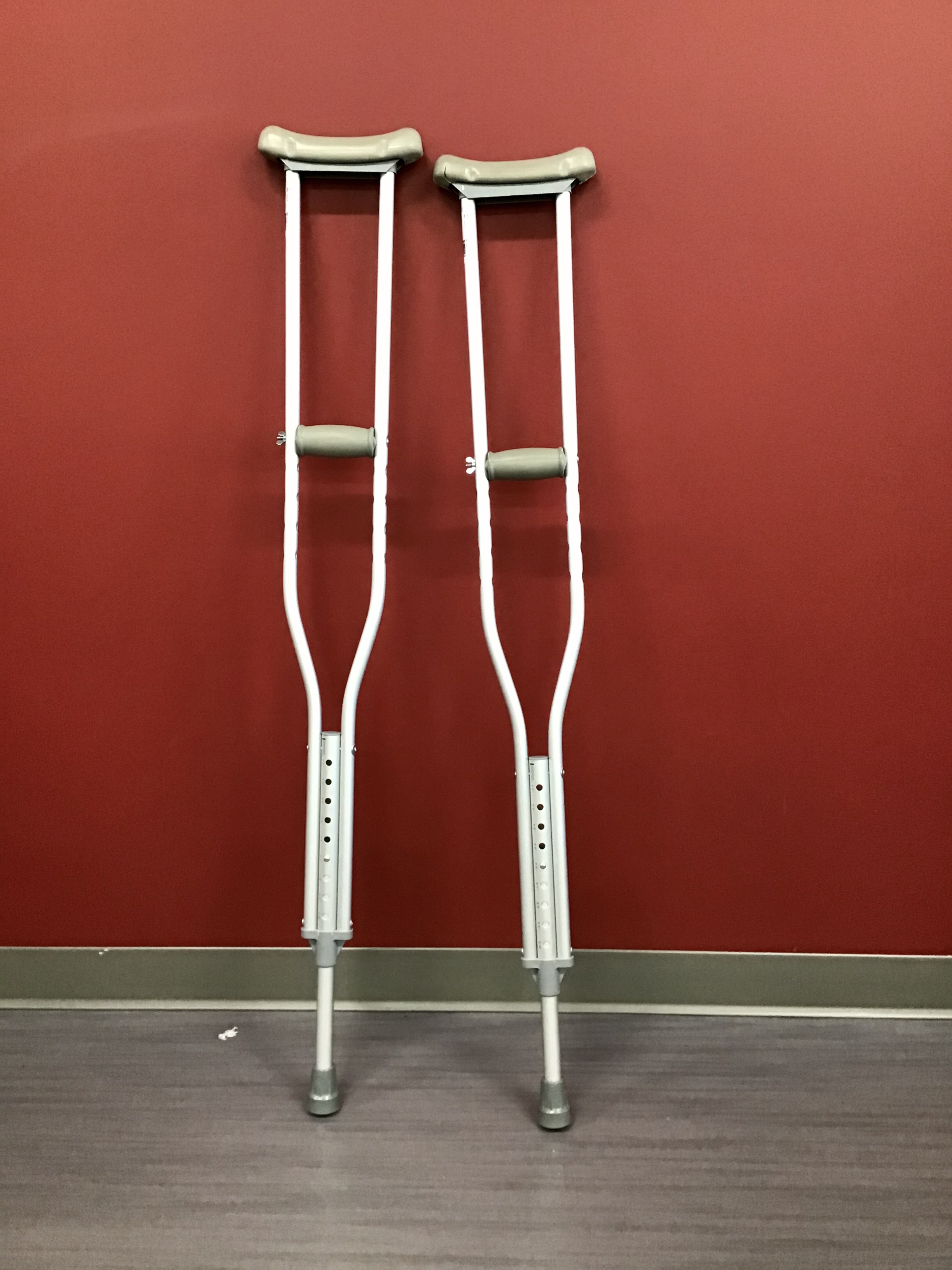 |
| c. Jessica Fisher via Wikimedia Commons |
Crutches
"Nine months." The boy's mother folded her arms.
"No wonder he's complaining." The doctor nodded. "He must feel crippled. Why didn't you bring him to me earlier?"
"He said his other doctor was doing it."
"What other doctor?" She spread her arms wide, hands up.
"The one near his father's house." The woman shifted. She glanced at her son on the examining table. The young fellow remained where he was, lying down in shorts and a shirt, but he openly listened to every word. "It turns out he did it himself, though. He admitted it. His father and I are separated. I moved out a couple of years ago and I took him with me. But he wasn't getting enough sympathy for his situation at school, I guess."
The boy sat up. He put his hands on either side of his hips as if he were about to hop down to the floor.
"That's not it!" he protested.
"Well, then," said his mother. "You tell the doctor, honey."
"I thought it was neat." He leaned forward. As he eyed the floor, though, he seemed to decide against getting down from the table.
"Having a broken leg? Neat?"
"Having a cast on." He gestured to the blue, plaster cast that anchored his left leg. "Getting the stuff, the plaster, that was kind of hard. But when I got it, I found out it was easy to get colored tape. That made it look real. I knew it would."
"You can't just give yourself a cast and have no one notice." She pointed at the boy, at first, but switched the gesture to indicate his parent.
"Sure you can." His gaze darted between his mother and the doctor. "I folded up the crutches and hid the stuff in my duffel before mom dropped me off at my dad's. She never stays to see him. So when she drove off, I pulled out the crutches. I cut my pants up the seam, then I crutched to the door and said that I'd broken my leg so can I go to bed early? My dad was pissed off about it. But he let me go to bed. And I made the cast in the bathroom."
That might work, she thought. She rubbed her forehead. She didn't trust himself to say what she was thinking yet or it might sound unprofessional.
"I crutched around for a couple of days and had dad drive me back." The boy shrugged as if it had been nothing. Maybe it hadn't been too hard.
"When my son got home, he told me he'd broken his leg," his mother said. "The doctor over there, someone his dad drove him to, put a cast on it."
"And you bought that."
"Well, he had crutches! And a cast!" This time, it was the mother throwing up her arms in exasperation. The doctor turned to her young client.
"You told each parent that the other was taking care of your leg," she summarized. She hoped the boy would tell her more about the situation. He seemed to speak easily enough about it.
"My dad just sort of assumed it, but yeah."
"For nine months? Really?" No one kept on a cast that long for practically anything. She thought of all the things that could have gone wrong. For one thing, the kid smelled like he had a skin infection under there. Even if he'd made the cast right, the padding materials weren't meant to last. The plaster and tape had probably gotten exposed and rubbed him raw.
She stuck her head out of the office door and called for a nurse to bring the oscillating saw. This much, she knew from her routine. She gave her standard speech about what would happen and how the saw would feel as it cut the cast. The blade was dull. It wouldn't cut his skin. The buzzing sound might hurt his ears.
The boy's eyes glinted. It became clear that he had already researched the procedure. The doctor ended up addressing the mother more directly. The poor woman had never dealt with anything like this before with an imagined injury or a real one.
"Oh my god," she hissed as the saw roared to a start. She put a hand over her heart.
The nurse held the boy steady, not that he seemed to need it. He gaped at the saw in fascination. His torso shivered, apparently involuntarily. He squirmed a few times as the vibrations from the circular steel machine arm tickled him. Pieces of the cast began to crumble away. Unlike a professional job, this one had apparently cracked several times and undergone repairs. The child had used layers of plaster and tape.
When the cast fell off, it unleashed a stench. It wasn't as bad as the doctor had feared. She ran her hands over the bruises and cuts. The skin had broken in places. In others, the inexpert cast joints had abraided and callused it. She noted a few scabs, some of them full of white pus.
She ran her hand over a shin bruise.
"No gangrene," she sighed.
The boy's eyebrows shot up. He knew what gangrene was, all right.
"I was fine the whole time," he insisted.
She nodded.
As she turned to hand the pieces of the cast to her nurse, the boy surprised her by hopping off of the examination table. His left leg crumpled. He toppled toward the nurse. Everyone reached out to catch him, to protect his head before it hit the floor, but he was quicker than them. He helped himself by grabbing the table.
"What's wrong?" he yelped. He scrambled to upright himself.
"Why on earth are you trying to stand?" The doctor pushed he chunks of plaster into her nurse's hands. "You can't do that."
"Yes I can. I never had a broken leg!" From his voice, the boy was starting to panic. He kept trying to stand up with one side braced against the examination table. "I didn't. Really."
She waited. He noticed her expression, her silence, and he started to calm himself. His mother couldn't stop touching him, though, and after a minute he pushed her away.
"Well?" he asked the doctor.
"Look at how small your left leg muscles are now," she replied. "Hold your legs straight, side by side."
"I'm trying. I"m trying to be straight."
"So you can't even do that." She held her fingers across the boy's right leg, then his left, to make her point. They all looked at the difference in the sizes of the thighs and calves. "Your left leg is almost thirty percent smaller. You've made yourself actually ill. Were you this hunched over before?"
"He's never been hunched."
"He is now. I want you to try something." She turned to her patient. His leg that had been in the cast had atrophied so much that she felt a little fascination for it. It was hard to believe that the limb had been perfectly healthy. "Put one hand on my shoulder and one on your mother. Then, without turning your hips, I want you to rotate your leg in and out. Like this."
The doctor demonstrated the torsion with her own left leg.
"I'm trying." The boy grunted. His left foot moved about forty degrees clockwise. Counter-clockwise, he could hardly get any twist at all.
"I thought so." She tapped the top of his femur, right at the joint. "You don't have full range of motion in your hip any more."
"What am I supposed to do?"
"I'll send you to a physical therapist." She turned to pick up her prescription pad. "There's a good practice only a block away from here. They'll help you work your leg back into shape. It'll probably take all summer. Keep in mind, you'll only make progress if you work hard."
"Will I be normal by school?" He threw himself onto the exam table. When he turned to sit, he stared at his normal foot, not the one he'd bandaged, as if he were envisioning the looks he might get from other teens for being so asymmetrical.
"Could be."
The boy's mother stood in silence for a while. She watched the doctor writing on the pad. When her son picked up a magazine, content to ignore the adults in the room, she leaned over.
"Can't you give him something?" she whispered.
"I am." In deference to the mother's privacy, the doctor kept her voice soft too. "I'm giving him a prescription for physical therapy."
"I mean something for his school anxiety. A pill or something."
"Ma'am, his leg wasn't broken." She put down the pad. "You saw what using the crutch did to him. His mind isn't broken either. He doesn't need a crutch for it. Yes, he's anxious about his peers. He's worried that everyone will find out what he did. What teenager doesn't get frantic about things like that? It's normal."
"Other kids take these things, these drugs. He's got friends on them."
"Maybe those kids should have prescriptions. Maybe they shouldn't. I don't know them." She put her hands on her hips. She started to feel irritation with the doctors who over-prescribed drugs or maybe it was just aggravation with her patient's mother. "It depends on their medical situations. If you've got a serious chemical deficiency, you need to treat it like any other physical issue. But that's not your son. Besides, for most drugs, no one should be on them for long. They haven't been tested for durations of more than a few weeks. That's how they're meant to be used."
"That's not how they work."
"Actually, it is exactly how they work. Most of the drugs given for anxiety or depression are meant to be used in therapy treatments. They're like crutches. They give you a way to function until the therapy gets you back on your feet. They're not meant to be used by themselves. They're certainly not meant to be forever."
"Couldn't he use them for a while?"
"He's normal." Her volume had gone up as she'd explained. She listened to herself and lowered her tone. "Feeling depressed may be appropriate for him. Feeling worried may be good. Giving him a drug for anxiety wouldn't do him any favors. His body will adjust. If he takes an anti-anxiety drug, he'll grow dependent on it. He'll find it hard to stop."
"He can keep taking the same thing while his friends do."
"That's what some people might decide, yes. Because the real therapy is hard, whether it's physical or it's mental. Most of it is up to us."
That was the problem with all therapies, really. They took work.
"Doctor, I'm at my limits." The mother covered her face at the sides like a horse with blinders. She apparently didn't want her son to see her words. "I don't think I can handle him on my own. You can see how he's been gaming me and his dad."
"That's an admission that drugging him is for you, not him. Again, no." She turned to finish the prescription.
"I don't believe it would be a problem." The mother reached out and pulled on the doctor's wrist. "It's better to have medicine than marijuana or alcohol or whatever he's going to try next. I know I did things like that."
The doctor disengaged herself. She caught the nurse's eye and the nurse stepped a little closer.
"Yes, when I was young, I tried some recreational drugs myself," she said. "Lots of folks try that. It seems like an easy answer to hardships. Just take a pill. But it turns out that the easy answer isn't the best one. A medicated feeling is not a substitute for friendship. A chemically-induced calmness is not wisdom."
"I don't think you're an expert in this." The woman took the hint. She saw the nurse leaning close and stepped back.
"At some point in a therapy, everyone needs to throw off the crutch," the doctor continued. "We have to go on without it. It's not easy to do but there's no escape from it."
Sunday, May 17, 2015
Not Zen 161: Illusion of Progress
The leader of the caravan, a broad-shouldered fellow whose hair was streaked with silver strands, fell sick one day. All afternoon, he clutched his stomach as he led the train of donkeys. He flapped his clothes to cool his fever. In the evening, he decided to ride his lead donkey. The beast sensed his illness and did not protest his added weight. When he dismounted and called an early halt to the march, no one was surprised. He declined to eat.
When he failed to wake the following morning, the men and donkeys began to panic. After the leader's three sons checked their father for breath, held rites, and wrapped his body for transport home, the next thing thing they did was to elect a new leader, their brother-in-law.
"You have risen far," said the oldest son. He shook the new caravan chief's hand. "You were born poor but worked your way to wealth. You've cared for our sister well. All of us sons fight over our father's money but not you. I'm sure you will take good care of the family business."
The brother-in-law, a thin man, accepted the red shawl of the caravan leader. It seemed large for him but he knew he could have it tailored. In the meantime, there was business. He went to introduce himself to the former master's donkeys.
"Hah," said the oldest, toughest beast. "You're not our master."
"I have a job. Perhaps it is a easy job, perhaps it is hard." He scooped a leather pack from the ground and opened it. Inside, he found empty water skins and a coil of rope. "We'll see how it goes."
"Do you think you're making progress in life?" said the the donkey. This one and several others had been let free during the night. They'd hovered around the body of their former master but they would need to be persuaded to rejoin the caravan train. "Your wealth is an illusion. Our freedom is real."
"Wealth is an illusion," he agreed as he prepared the rope. "But it's one that I've mastered. Perhaps freedom is an illusion, too."
"Our previous master, our real one, left us untied. He intended to set us free."
"You are right." He hesitated, the hemp half-coiled between his hands. "I will not try to tie you to the train. Nevertheless, I urge you to come along."
He began to re-wrap the rope. His hands were deft. His decision was final.
"We can live and die on our own," said the head of the free donkeys. "We don't respect you. You're too young. You feel that all these things you have done represent progress but we know there is no such thing."
"I have been promoted to wealth and leadership. You have been promoted to freedom and leadership. But for me, it is merely a change in title. As before, I must work. I would not call my changes in circumstances progress." He finished the coil. He knelt to the pack and tucked the rope into it. He added, "That was you."
"Existence is an illusion. Progress in our existence is also an illusion."
"Yes, yes. All things and all of our movements may be an illusion, brother donkey. But there's been very little rain this year." He gestured to the sands ahead of them on the trail. Dunes and plains alternated to the horizon, punctuated only with clusters of scrub bushes. "You see how it is."
"What of it?"
"I intend to maintain our progress to the northern stream because the last caravan to make it there this season may get no water. Without water, we will suffer. You may dismiss that as an illusion if you like, but I'll wager that you'll find it an uncomfortable one."
Their new master turned and walked back to the other trains of donkeys. He did not need to whip them forward. He tugged on the leader line and the beasts lurched into motion together.
The three brothers each with their own trains of donkeys followed. Only the youngest glanced back at the group of free donkeys behind. He threw up his arms, gave up on the idea of capturing them, and merged his train into the caravan.
One by one, the herd of free donkeys joined the rearguard of the lines. Soon, only the leader of the free donkeys remained at the campsite. His last companion marched off with a snort. He dug his hoof into the dry ground and thought about his situation.
"The illusion of suffering is only that," he said to himself. "I am free to live alone and die alone. But I seem to possess my own illusions about progress and cling to them. Perhaps it is not so bad to join the herd and work to the benefit of all."
He nodded to himself.
"How unfortunate that the man is right." He took a stride in the caravan's direction. "Back to work, donkey."
When he failed to wake the following morning, the men and donkeys began to panic. After the leader's three sons checked their father for breath, held rites, and wrapped his body for transport home, the next thing thing they did was to elect a new leader, their brother-in-law.
"You have risen far," said the oldest son. He shook the new caravan chief's hand. "You were born poor but worked your way to wealth. You've cared for our sister well. All of us sons fight over our father's money but not you. I'm sure you will take good care of the family business."
The brother-in-law, a thin man, accepted the red shawl of the caravan leader. It seemed large for him but he knew he could have it tailored. In the meantime, there was business. He went to introduce himself to the former master's donkeys.
"Hah," said the oldest, toughest beast. "You're not our master."
"I have a job. Perhaps it is a easy job, perhaps it is hard." He scooped a leather pack from the ground and opened it. Inside, he found empty water skins and a coil of rope. "We'll see how it goes."
"Do you think you're making progress in life?" said the the donkey. This one and several others had been let free during the night. They'd hovered around the body of their former master but they would need to be persuaded to rejoin the caravan train. "Your wealth is an illusion. Our freedom is real."
"Wealth is an illusion," he agreed as he prepared the rope. "But it's one that I've mastered. Perhaps freedom is an illusion, too."
"Our previous master, our real one, left us untied. He intended to set us free."
"You are right." He hesitated, the hemp half-coiled between his hands. "I will not try to tie you to the train. Nevertheless, I urge you to come along."
He began to re-wrap the rope. His hands were deft. His decision was final.
"We can live and die on our own," said the head of the free donkeys. "We don't respect you. You're too young. You feel that all these things you have done represent progress but we know there is no such thing."
"I have been promoted to wealth and leadership. You have been promoted to freedom and leadership. But for me, it is merely a change in title. As before, I must work. I would not call my changes in circumstances progress." He finished the coil. He knelt to the pack and tucked the rope into it. He added, "That was you."
"Existence is an illusion. Progress in our existence is also an illusion."
"Yes, yes. All things and all of our movements may be an illusion, brother donkey. But there's been very little rain this year." He gestured to the sands ahead of them on the trail. Dunes and plains alternated to the horizon, punctuated only with clusters of scrub bushes. "You see how it is."
"What of it?"
"I intend to maintain our progress to the northern stream because the last caravan to make it there this season may get no water. Without water, we will suffer. You may dismiss that as an illusion if you like, but I'll wager that you'll find it an uncomfortable one."
Their new master turned and walked back to the other trains of donkeys. He did not need to whip them forward. He tugged on the leader line and the beasts lurched into motion together.
The three brothers each with their own trains of donkeys followed. Only the youngest glanced back at the group of free donkeys behind. He threw up his arms, gave up on the idea of capturing them, and merged his train into the caravan.
One by one, the herd of free donkeys joined the rearguard of the lines. Soon, only the leader of the free donkeys remained at the campsite. His last companion marched off with a snort. He dug his hoof into the dry ground and thought about his situation.
"The illusion of suffering is only that," he said to himself. "I am free to live alone and die alone. But I seem to possess my own illusions about progress and cling to them. Perhaps it is not so bad to join the herd and work to the benefit of all."
He nodded to himself.
"How unfortunate that the man is right." He took a stride in the caravan's direction. "Back to work, donkey."
Subscribe to:
Posts (Atom)